
Helping a national retail chain stop treating its website and its stores as two separate businesses — without ripping out a decade of legacy.

The client was a mid-market retailer operating more than ninety stores nationwide alongside a long-established website. The website and the stores had been built and operated as essentially separate businesses for most of the previous decade. Online orders could not be collected in store without manual intervention. Store inventory did not appear on the website in real time. Loyalty data lived in one system, e-commerce customer data in another, and the marketing team had been quietly maintaining spreadsheets to bridge the gap.
The CEO had committed to delivering a true omnichannel experience within two years. Two competing vendor pitches had landed on her desk, both promising the moon. She asked us to do an independent strategy review and platform recommendation.
We were engaged to define what an omnichannel operating model actually meant for the business, to assess the readiness of the existing technology estate, to evaluate the two competing platform pitches against that readiness and to recommend a path forward that the board could approve. We were explicitly not retained to write a procurement document; we were retained to get the strategy right first, with procurement to follow in a separate engagement.
We started by talking to customers. We commissioned a short customer research study with one of our research partners, focused on the moments where the existing channels failed the customer — a returns process that required a phone call, a click-and-collect order that arrived incomplete, a loyalty points balance that mysteriously did not match what the website showed. Those failure moments became the foundation for the strategy.
From there we mapped the existing customer journey and identified the four seams that mattered most: inventory visibility across channels, customer identity resolution across systems, order orchestration between online and physical fulfilment, and a unified loyalty and promotions engine. We then assessed the readiness of the existing estate to support each seam, and the gap between that readiness and the customer outcomes the strategy demanded.
The previous advice had been 'buy a new platform'. PML told us what we actually needed to do, which was three big things and a dozen smaller things, sequenced carefully. It is the first piece of strategy in this space that the executive team has been able to actually execute. — Chief Executive Officer
We assessed three platform options: the incumbent commerce platform with a major upgrade, the first challenger pitch and the second challenger pitch. Each was assessed against a capability matrix of seventy-eight items, weighted against the four priority seams. We deliberately included "operational fit" as a category — the second challenger had the strongest capability story but its operating model would have required doubling the internal technology team. That was a cost the business case did not support.
We defined a three-year roadmap organised around the four seams. Each seam had its own capability outcome, its own investment profile and its own success measure. We re-architected the technology operating model around the seams rather than around the existing functional silos, which required some difficult conversations with senior technology leaders who had built their careers around the existing structure.
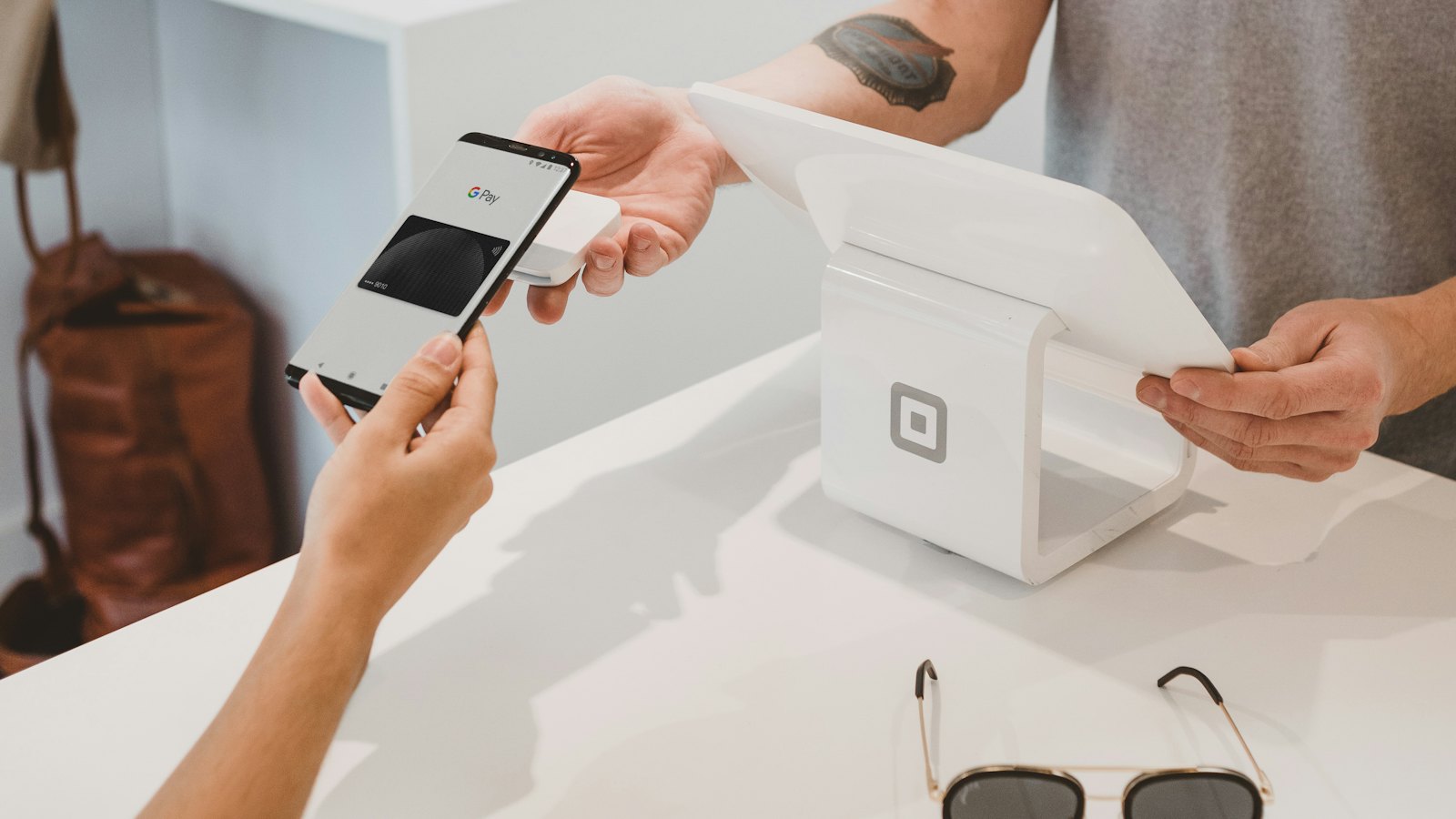

The board adopted the strategy in full. Eighteen months after engagement completion the first two seams — inventory visibility and order orchestration — are live. Click-and-collect is now a default fulfilment option rather than a special request. The marketing team no longer maintains reconciliation spreadsheets. The CEO's most recent investor briefing cited the omnichannel capability as a primary growth driver, with a 25% projected revenue contribution from unified commerce over the following year. We remain engaged for periodic architecture review.
Omnichannel is not a platform decision. It is an operating model decision that requires platform support. The mistake most retailers make is to begin with the platform conversation, which leads to over-investment in capability that the business is not yet structured to exploit. The right starting point is the customer failure moments. The platform follows from there.
If your business is wrestling with the gap between channels, between systems or between the technology you have and the customer experience you need, we would be glad to talk about what an independent view could add.